
The Essential Folding Carton Glossary: Your Professional Guide
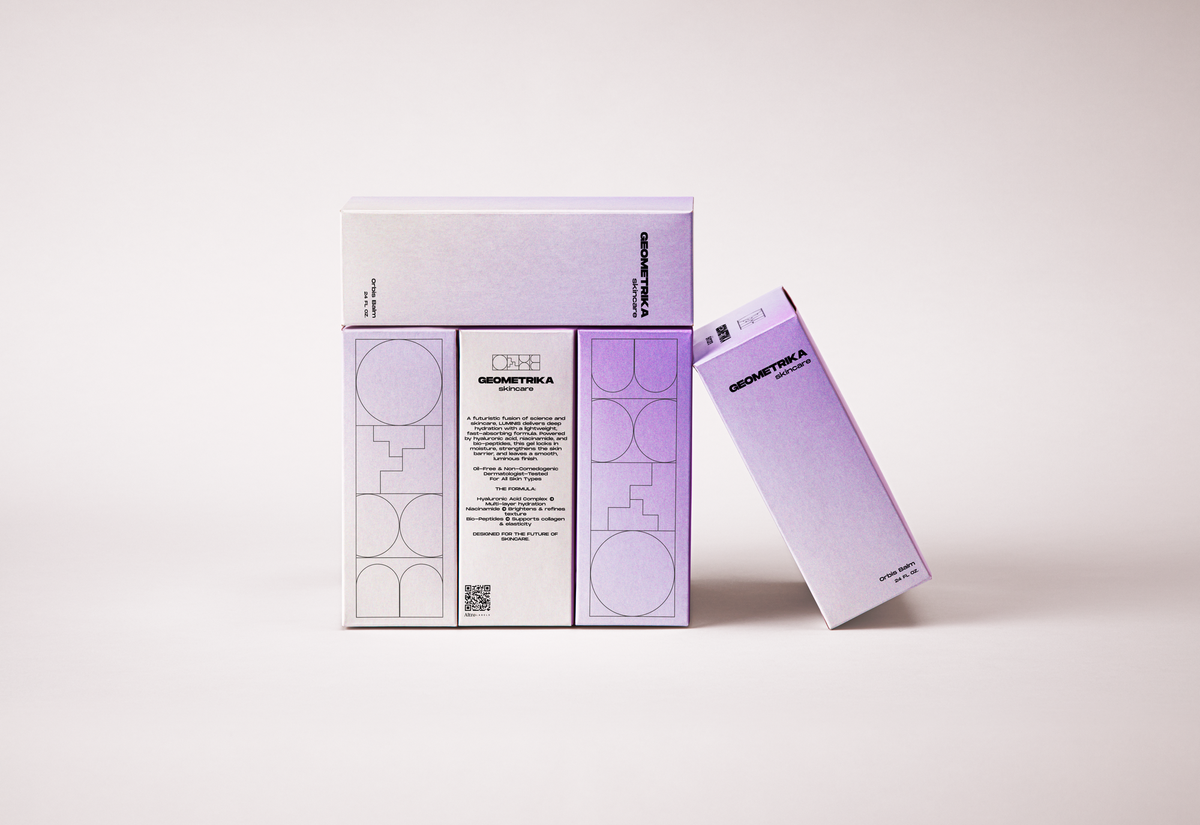
In our previous guide, we explored label terminology, helping you understand adhesives, substrates, finishes, and other key terms that make your packaging pop. Now, we’re turning the page to another crucial part of packaging: folding cartons.
Folding cartons may seem simple, but the terminology, materials, and design considerations behind them can make or break your product presentation. Whether you’re designing for retail, e-commerce, or specialty products, understanding the language of folding cartons ensures precision, quality, and standout shelf appeal.
Why Folding Carton Terminology Matters
Folding cartons combine creativity with engineering. The right material, finish, and structural design not only protect your product but also elevate the brand experience. Knowing the terminology helps you:
- Communicate effectively with designers and manufacturers
- Choose the right paperboard or coatings for durability
- Ensure production accuracy and minimize costly errors
- Align packaging strategy with brand messaging
- Streamline shelf-ready and consumer-ready packaging
Just like with labels, the right language makes you confident when planning, designing, or approving packaging.

Altro Folding Carton Glossary: Key Terms Explained
1. Paperboard / Carton Board
The primary material used for folding cartons. Available in various grades: solid bleached sulfate (SBS), coated unbleached kraft (CUK), or recycled options. Thickness and rigidity influence product protection and print quality.
2. Coating & Finishes
Finishes protect your cartons and create visual impact:
- Gloss coating: bright, reflective finish
- Matte coating: smooth, modern look
- UV coating: spot or flood coating for highlights
- Aqueous coating: environmentally friendly protective layer
3. Die-Cut / Dieline
The template used to cut and fold the carton. Just as labels do, a dieline ensures accurate cuts, folds, and safe print areas.
4. Fold / Score
- Score line: a crease that allows the carton to fold cleanly without cracking
- Folds: pre-determined lines where the carton is bent into shape
Precision here is critical for smooth assembly and structural integrity.
5. Gable / Tuck / Snap Lock / Sleeve
Common folding carton styles:
- Tuck-top: standard top flap for easy assembly
- Snap lock bottom: secure bottom for heavier products
- Gable: handle-style top for convenience
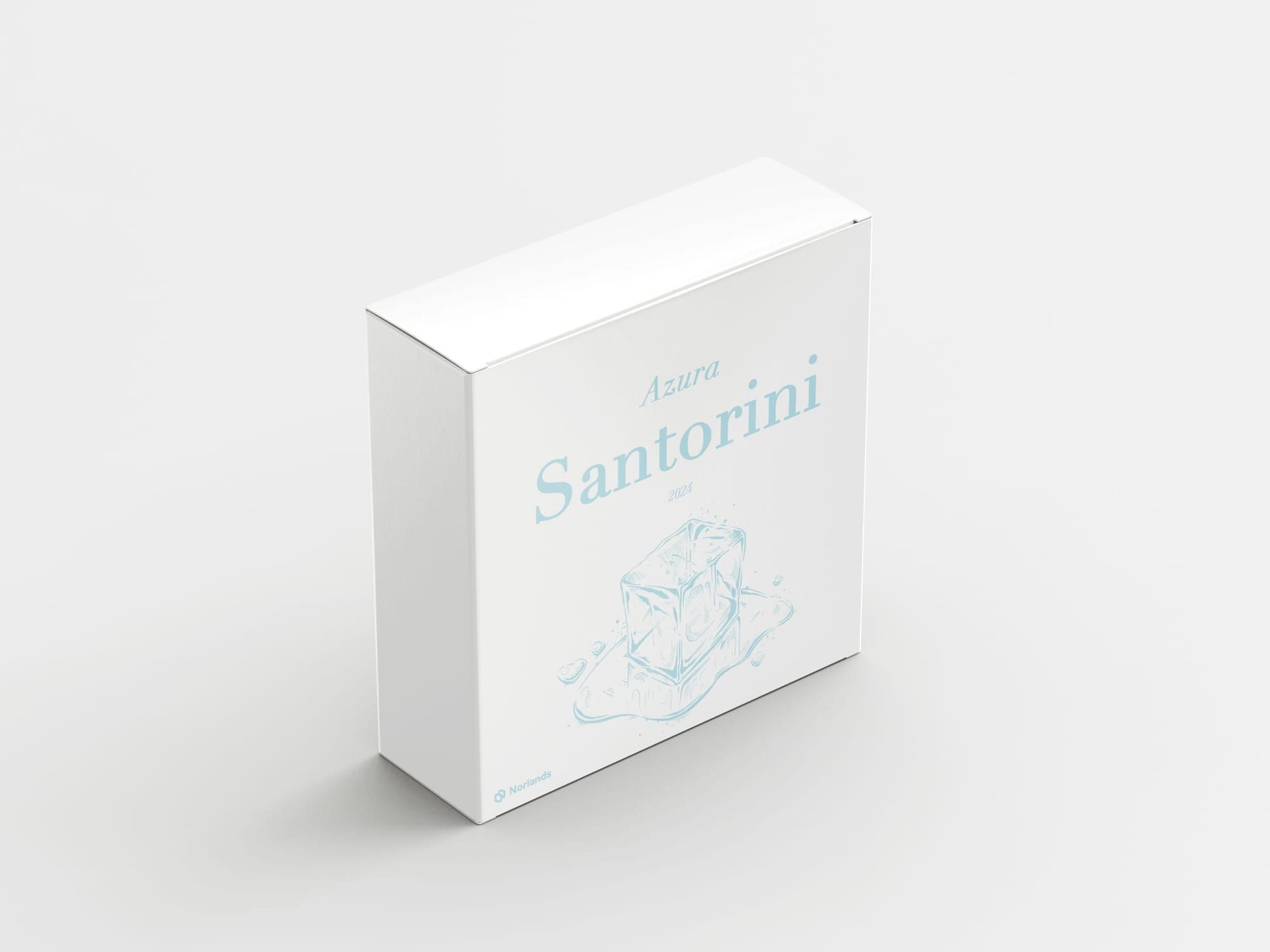
- Sleeve: outer wrapper for added branding or protection
6. Coatings & Laminates
Protective layers that increase durability, water-resistance, or a premium feel. Laminates can be glossy, matte, soft-touch, or textured, much like labels.
7. Print Methods
Common printing methods for folding cartons:
- Offset printing: high-quality, detailed images for large runs
- Digital printing: flexible, cost-effective for short runs or variable data
- Flexography: excellent for large-volume, fast production
8. Structural Integrity
How well the carton protects the product during storage, shipping, and handling. Material thickness, fold precision, and bottom style all play a role.
9. Folding Carton vs. Labels
Your folding carton and labels work as a team. While labels provide branding, legal information, and promotions, the carton delivers structure, protection, and shelf impact. Understanding terminology in both areas ensures cohesive, high-quality packaging solutions.
10. Substrate Selection
Selecting the correct paperboard type depends on:
- Product weight
- Required durability
- Print and finishing techniques
- Sustainability goals
How to Use This Glossary
1. Design & Production Alignment
Use these terms when briefing designers or packaging suppliers to avoid miscommunication.
2. Select Materials Thoughtfully
Evaluate thickness, coatings, and finishes based on your product’s lifecycle and environment.
3. Integrate With Labels
Refer back to our Label Terminology Guide to ensure your carton and label work together seamlessly in both aesthetic and functional ways.
Conclusion: Professional Packaging Starts With the Right Language
Just as understanding label terminology elevates your product presentation, mastering folding carton language allows for confident decisions, seamless collaboration, and packaging that protects and impresses.
Altro’s team is here to help you translate your vision into high-quality folding cartons, from material selection and print method to finishes and structural design. Together, your cartons and labels will tell a cohesive, professional, and compelling brand story.