Printing on Cans vs. Using Can Sleeves: Pros & Cons Every Brand Should Know.
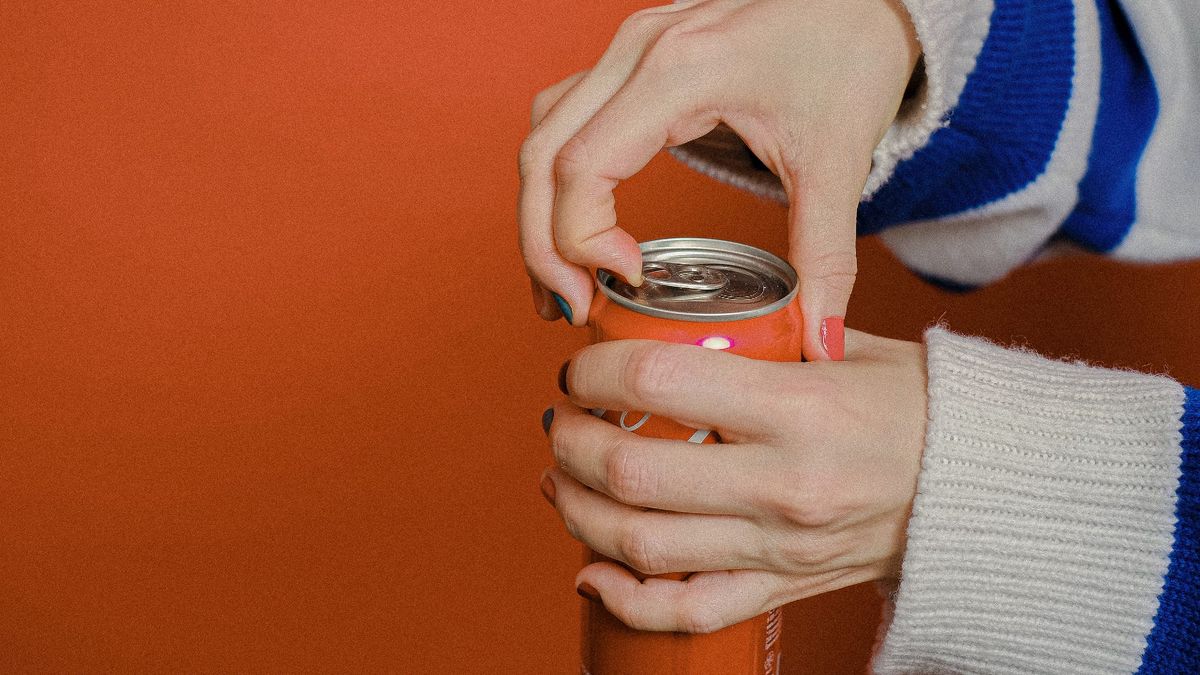
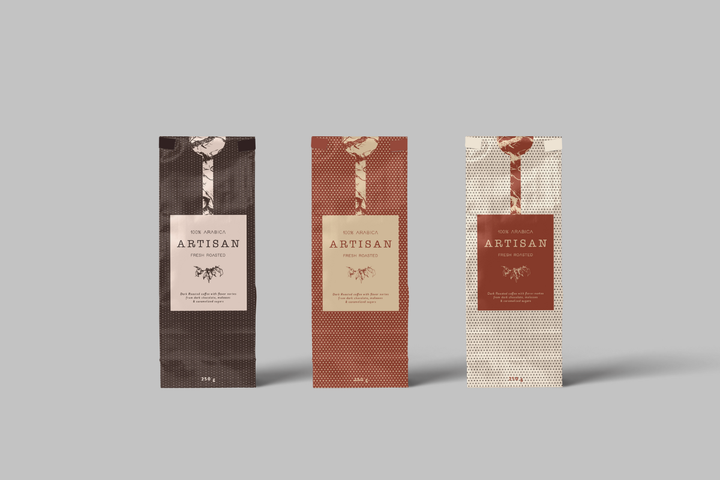
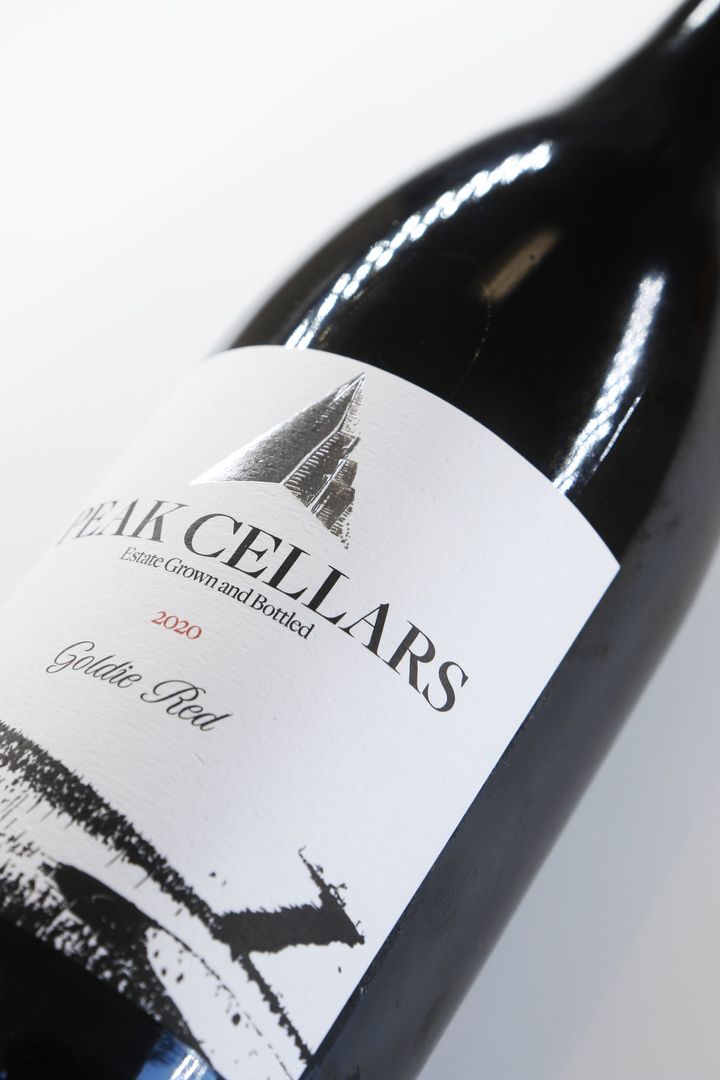
Packaging isn’t just about protecting your product; it’s about telling your story. And when it comes to beverages, your can is often the first thing customers see. Two of the most common ways to brand a can are: printing directly on the aluminum or using a can sleeve.
Both have their perks, both have their drawbacks. Let’s walk through the differences so you can decide what makes sense for your brand.
Printing Directly on Cans
Printing directly onto cans has been the traditional method for big players in the beverage space.
Why brands choose it:
- It offers a polished, professional look that feels undeniably premium.
- The graphics are part of the can itself; there is no peeling or bubbling.
- Since it’s just ink on aluminum, there’s no added layer of material.
Where it gets tricky:
- Direct printing requires huge order minimums, often tens of thousands of cans.
- Lead times can be long, which means less flexibility if you want to test a new flavour or respond quickly to market trends.
- Once the cans are printed, they’re set in stone. If your branding evolves, you can’t simply adjust; it’s a whole new run.
For major beverage companies running national or global distribution, these trade-offs make sense. But for small to mid-sized brands, or for breweries and beverage makers who like to experiment, direct printing isn’t always the most practical option.
Can Sleeves
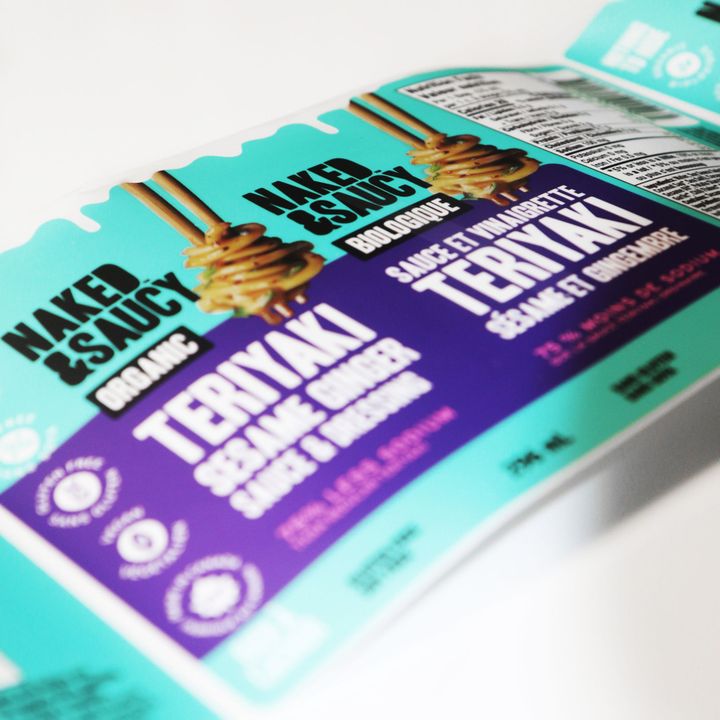
Sleeves are a more modern, flexible solution. They wrap around the can, transforming it into a branded piece of art without the constraints of direct printing.
Why brands love them:
- Lower minimums make them ideal for small batches, limited runs, or seasonal releases.
- You can play with specialty finishes, matte, metallic, holographic, textured, that simply aren’t available with direct can printing.
- Sleeves are quick to produce, letting you test ideas or pivot branding without the long wait.
What to consider:
- Sleeves introduce another material, which can affect recyclability.
- While they look fantastic when applied well, they don’t have the same “baked-in” durability as a printed can.
Here’s where sleeves really stand out: they let you move quickly, test the market, and launch designs that grab attention without committing to massive volumes. For craft brewers, beverage startups, or brands that want to keep things fresh and seasonal, sleeves offer the perfect balance of flexibility and impact.
The Bottom Line
If you’re running national-scale production of a single product, direct printing might make sense. But if you value design freedom, agility, and approachable minimums, sleeves give you the tools to stand out and stay nimble.
At Altro, we help brands find packaging that works for their growth stage, whether that’s sleeves, labels, or other custom solutions. Because at the end of the day, the right packaging isn’t just about your product, it’s about your path forward.
Curious if sleeves are the right fit for your next run? Our team would love to walk you through the options. [Contact us here.]