
HP Mosaic Packaging: The Emily Forgot Case Study
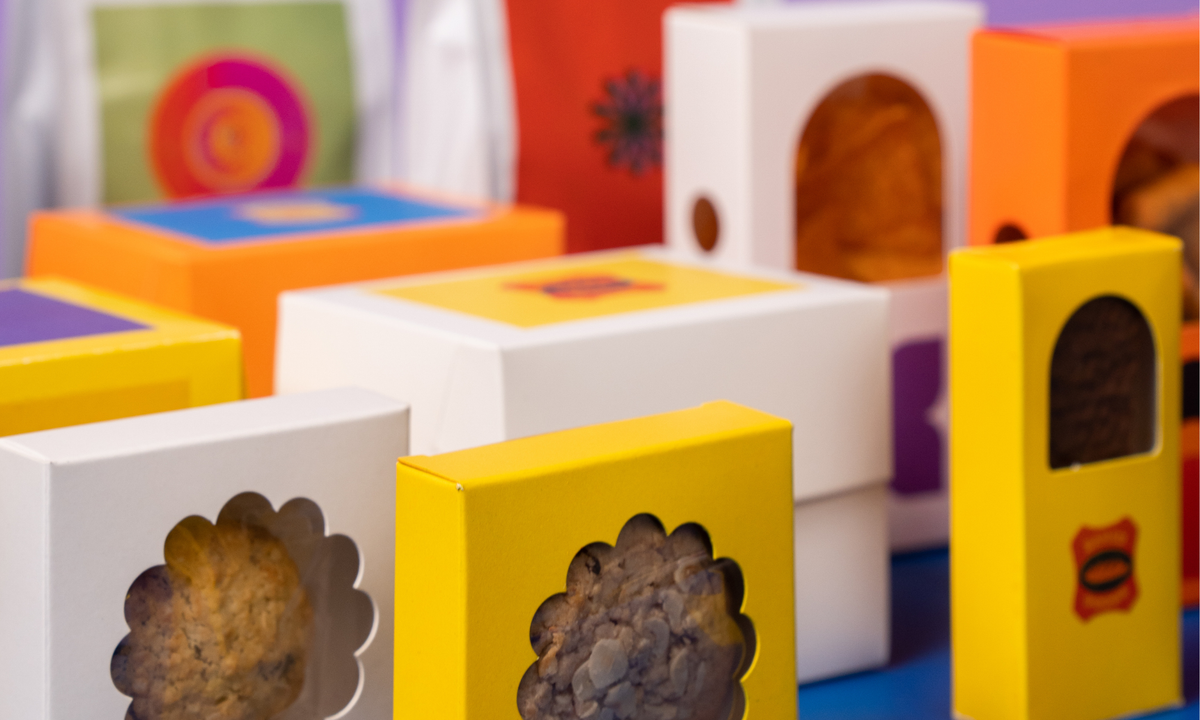
A closer look at how packaging evolves into storytelling
Introduction: Packaging as Experience
Packaging has moved far beyond its functional role. It now operates as a critical touchpoint for brand identity and consumer engagement. This case study explores how Emily Forgot reimagined packaging through HP’s Mosaic technology, creating a system where scale and individuality coexist.
Meet the Creative
Emily Forgot is recognized for her geometric compositions and ability to bring movement into static forms. Her portfolio includes collaborations with Wellcome Collection, Herman Miller, Memmo Alfama Hotel, and Selfridges.
Her approach blends structure with play, making her particularly suited to a project centered on transformation and variation.
The Brief: Rethinking Scale
The assignment was to produce 2,000 HP ink bottles, each with a distinct design. The objective extended beyond aesthetics. The goal was to demonstrate how packaging can communicate reinvention while maintaining consistency at scale.
This was not about producing variations for novelty. It was about redefining how repetition and uniqueness can exist within the same system.
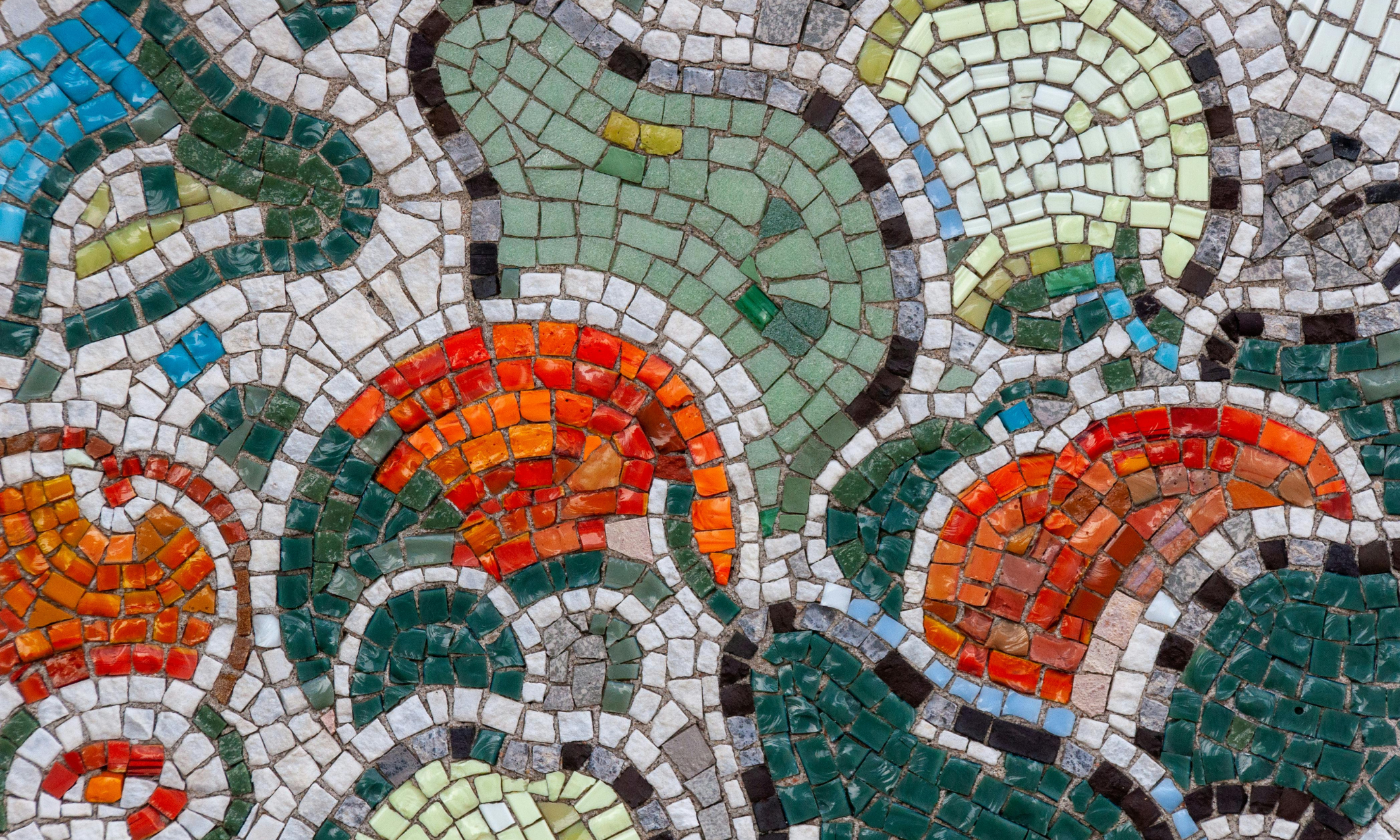
The Mosaic Process
At the center of the project was HP Mosaic, a variable design technology that generates multiple outputs from a single source.
Emily developed one master illustration. From this foundation, elements were shifted, cropped, and recomposed to produce 2,000 unique variations. Each design remained visually connected to the original while presenting a distinct composition.
The result is a balance between cohesion and diversity, offering a new model for scalable creativity.
Numbering and Collectibility
To reinforce the individuality of each piece, Emily created a custom set of numerals from zero to nine. Each bottle was numbered from 1 to 2,000.
This detail introduced a sense of rarity. It positioned the packaging as a collectible object rather than a disposable container. For brands, it highlights how subtle design decisions can elevate perceived value.
Tools and Execution
The project was built using Adobe Illustrator. The platform allowed for precision and scalability, ensuring that each variation translated seamlessly into print.
The flexibility of the original artwork also made it adaptable across additional formats such as apparel, print materials, and branded collateral. This extended the life and value of a single creative asset.
Creative Approach: Embracing Variability
A defining aspect of the project was the willingness to allow outcomes to evolve through process. Rather than controlling every detail, the system introduced an element of unpredictability.
This approach resulted in compositions that feel organic and varied. It reflects a broader shift in design thinking where systems and frameworks can generate results that are both structured and unexpected.
Print Production
The designs were produced using HP Indigo Digital Press technology. This ensured that each variation maintained a high level of clarity and color accuracy.
The ability to print variable designs at scale without compromising quality demonstrates how digital print has become integral to modern packaging strategies.
The Outcome
The final result consisted of 2,000 individually designed and numbered bottles. Each unit functioned as part of a larger system while maintaining its own identity.
The project stands as an example of how packaging can operate as both product and narrative. It shows that a single concept, when executed thoughtfully, can produce a wide range of meaningful outcomes.
Key Takeaways
Brands looking to differentiate can draw several insights from this approach:
- Scalable customization is achievable with the right systems in place
- Packaging can act as a primary storytelling medium
- Variable design introduces both efficiency and uniqueness
- Print technology now supports high-quality personalization at volume
To watch the video, click on the link here.
Closing Perspective
This case study illustrates a shift in how packaging is conceived and produced. It moves away from uniformity and toward adaptability, where each unit contributes to a broader brand story.
The implication is clear. With the right combination of design thinking and production capabilities, packaging can become a platform for creativity at scale.
And cool enough, we can do it all. Submit Artwork to our team or Contact Us today for a quote.