
Environmentally Friendly Packaging: What Does It Really Mean?

“Environmentally friendly packaging” has become one of the most common phrases in the packaging industry — but the term can mean different things depending on the materials, production methods, and overall packaging design.
As more consumers and businesses prioritize sustainability, brands are looking for packaging solutions that reduce environmental impact while still maintaining durability, functionality, and shelf appeal. But environmentally friendly packaging is about more than simply using recyclable materials. It’s about considering the entire lifecycle of the package.
More Than Just Recycling
Many people assume environmentally friendly packaging only means recyclable packaging, but sustainability can involve several different factors, including:
- Recyclability
- Reduced material usage
- Renewable or responsibly sourced materials
- Lower waste production
- Efficient transportation and storage
- Compostable or biodegradable materials
- Reduced energy consumption during production
A package may be recyclable but still use excessive material, while another package may reduce waste through lightweight design or more efficient shipping. Sustainability often comes from a combination of smarter design and material selection.
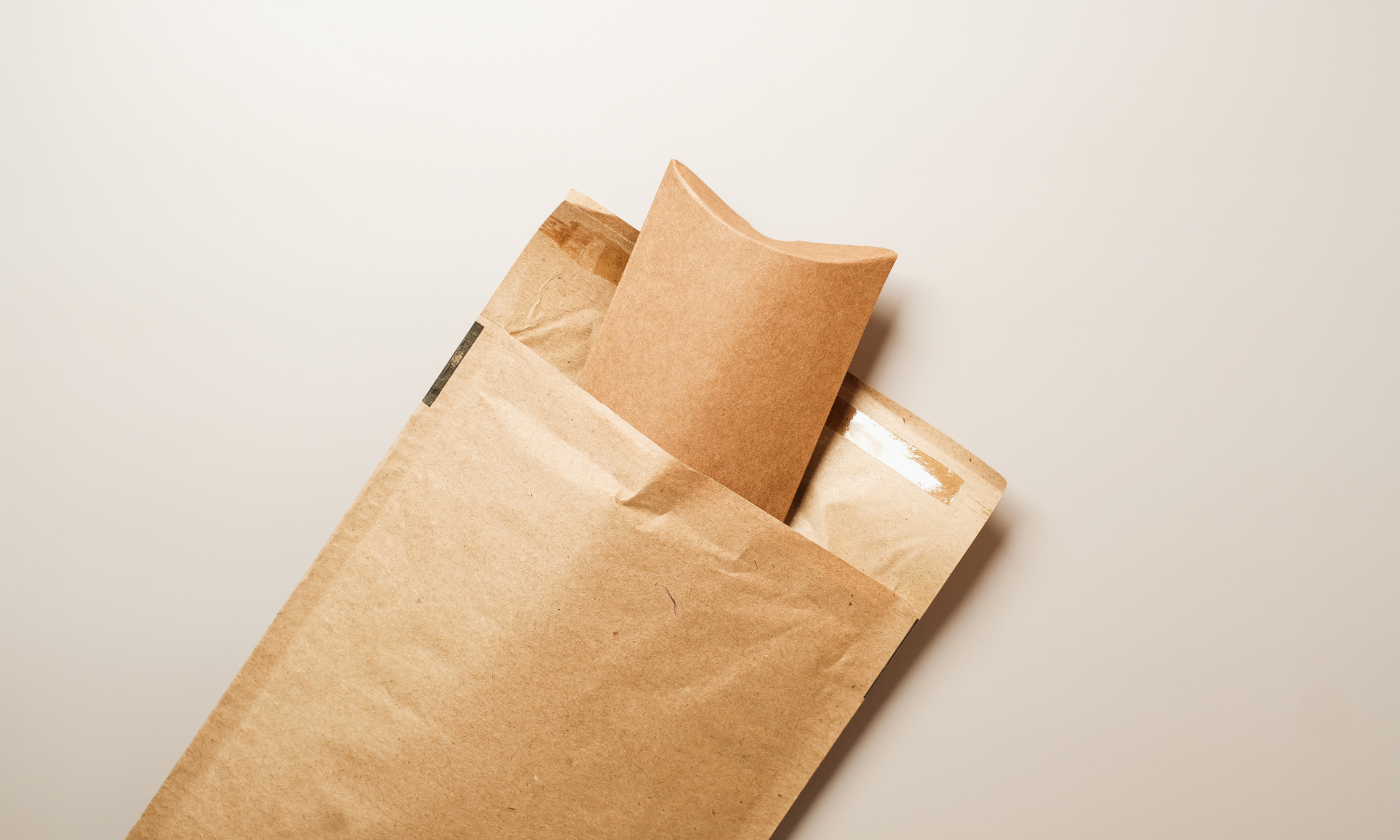
Common Sustainable Packaging Materials
Many businesses are exploring alternatives to traditional packaging materials as sustainability expectations continue to grow.
Popular environmentally friendly packaging options include:
- FSC-certified paperboard
- Recyclable corrugated packaging
- Flexible packaging designed with reduced material use
- Water-based inks
- Recyclable labels and adhesives
- Mono-material packaging structures
Paper-based packaging continues to gain popularity because of its recyclability and versatility across retail, food, and industrial applications.
Why Brands Are Focusing on Sustainable Packaging
Consumers are becoming more aware of packaging waste and environmental impact. As a result, many brands are redesigning packaging to better align with customer expectations and long-term sustainability goals.
Environmentally friendly packaging can also help businesses:
- Reduce excess material costs
- Improve shipping efficiency
- Strengthen brand perception
- Meet retailer sustainability requirements
- Support corporate environmental initiatives
For many companies, sustainability is now becoming an important part of overall brand identity.
Finding the Right Balance
One of the biggest challenges in sustainable packaging is balancing environmental goals with performance. Packaging still needs to protect products, maintain durability, and perform properly throughout transportation and storage.
The best packaging solutions are often the ones that reduce unnecessary waste while still meeting the practical needs of the product and supply chain.
Ready to get started? Submit your artwork here or get a quote from us.